
Solar & Battery Solutions
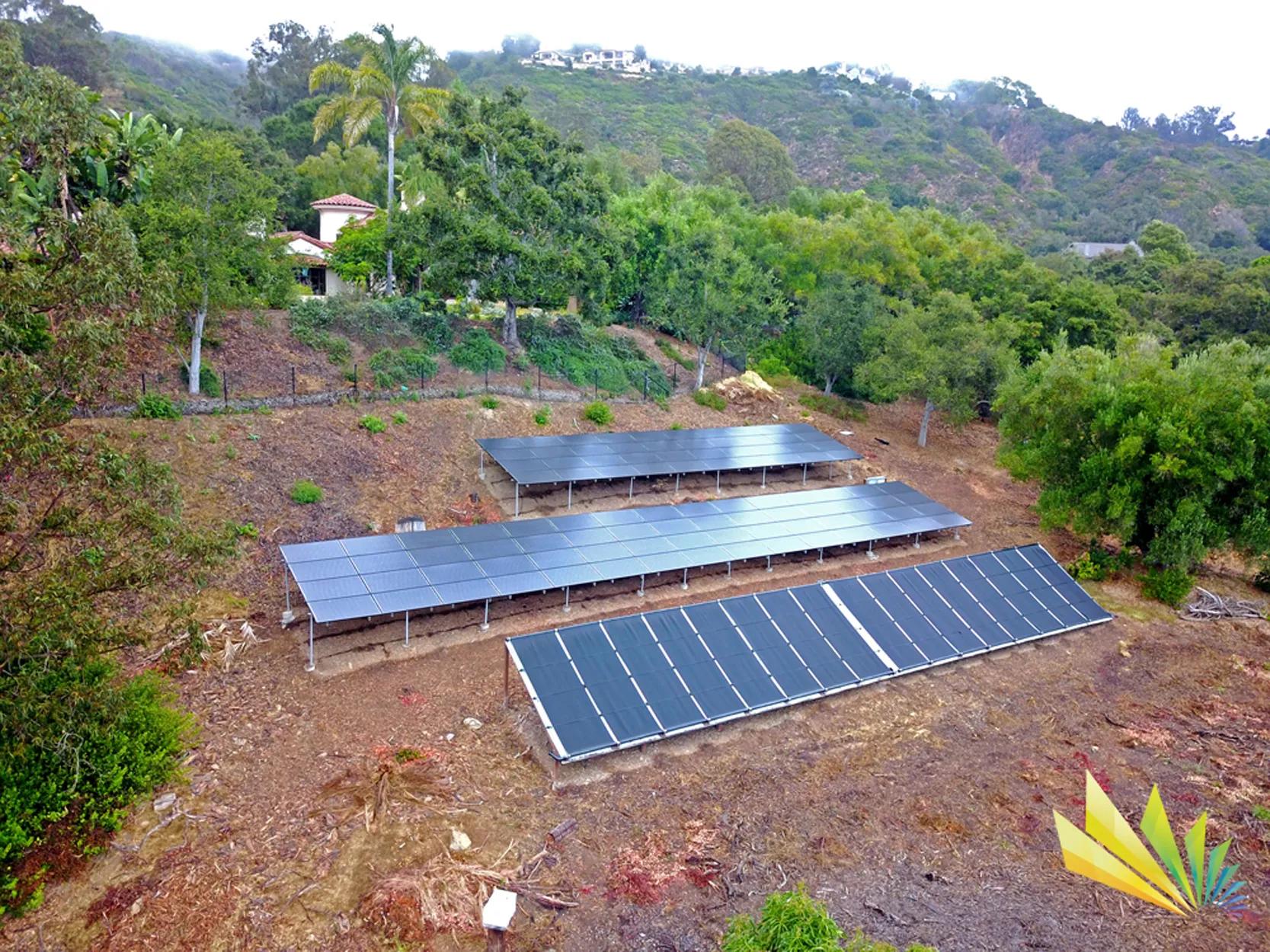
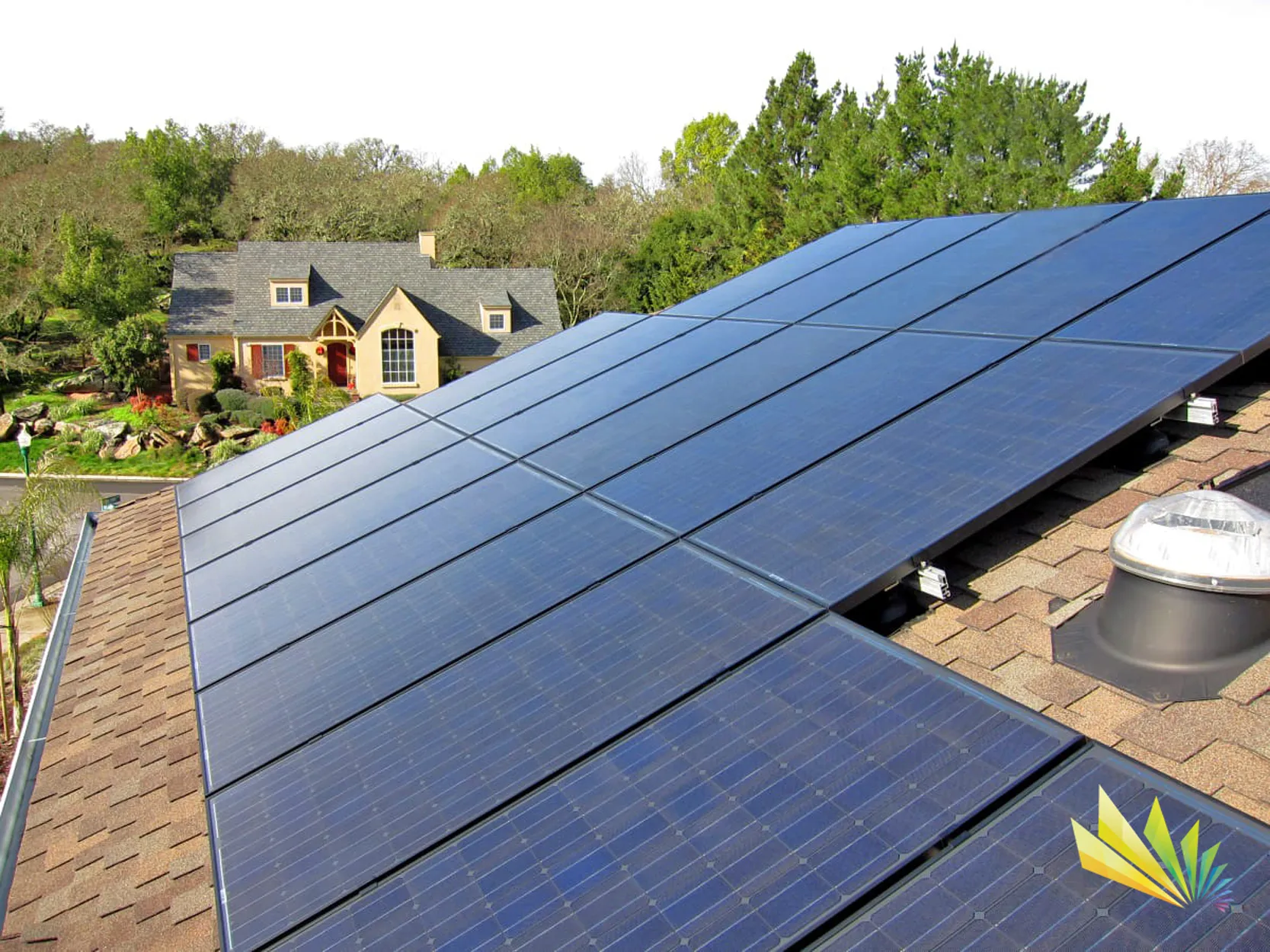
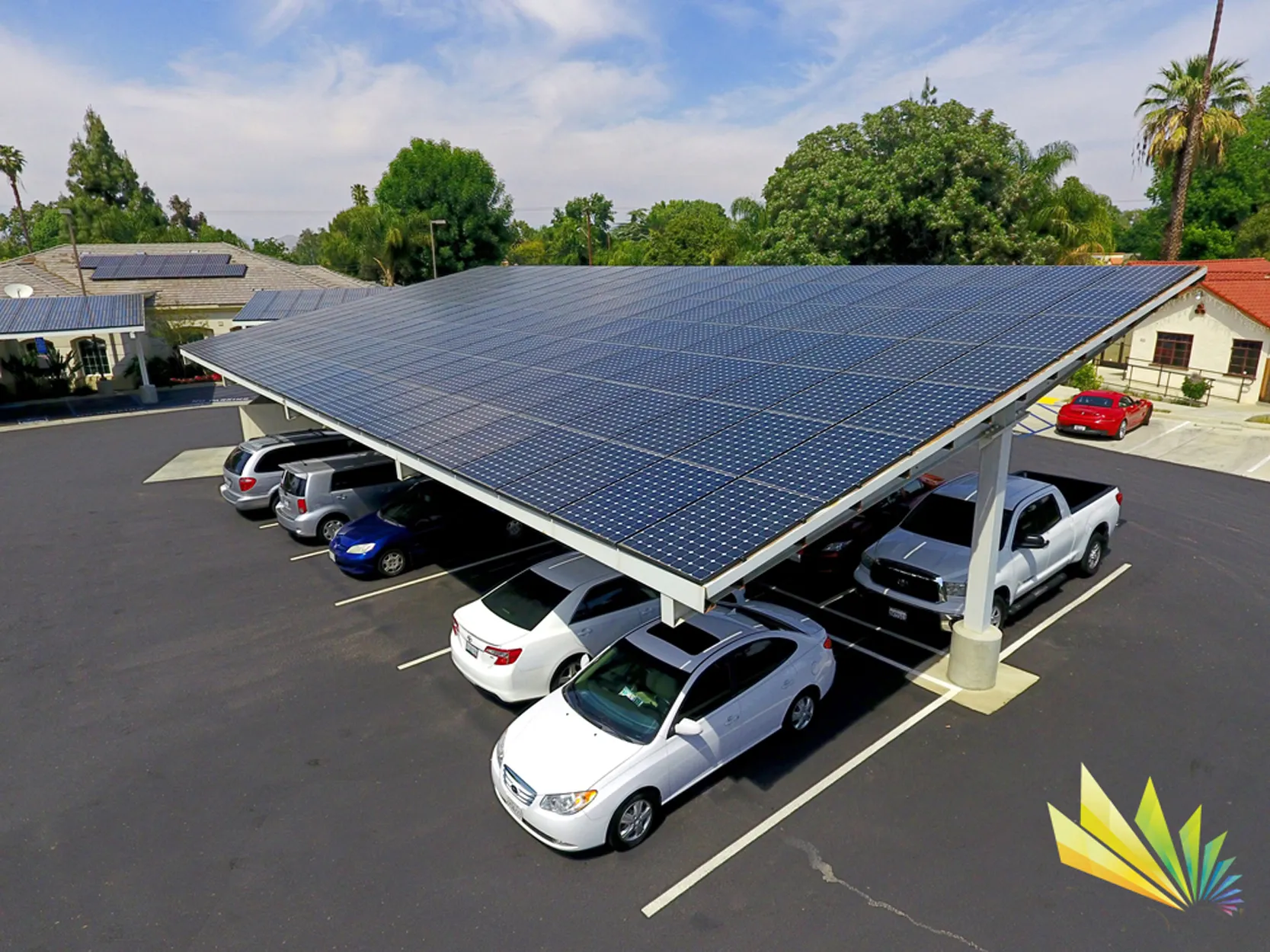
top solar installation company in Simi Valley
At Next Door Home Upgrades, we’re a local Southern California company based right here in Simi Valley, proudly serving our community since 2015. From the beginning, our goal has been to treat every home like it’s our neighbor’s, because in many cases, it actually is.
We specialize in solar energy, roofing, battery storage, and electrical upgrades, helping homeowners make smart, long-term improvements to their homes. One thing that sets us apart is that we manage our own in-house crews and don’t subcontract our solar installations, which allows us to maintain the quality and care our customers expect.
As a locally owned business, our reputation means everything to us, so we focus on honest recommendations, dependable workmanship, and being there for our customers long after the job is complete. We believe homeowners deserve high-quality work, long-term service, and fair pricing. And that’s exactly what we strive to deliver on every project.
Lower Monthly Electricity Bills
Solar helps homeowners take control of their energy costs by producing electricity directly from their own roof instead of relying on the utility. In California, where electricity rates are among the highest in the United States and continue to rise each year, generating your own power can significantly reduce monthly electric bills. With a solar system, your home essentially becomes its own small power plant—using sunlight to create clean energy during the day and reducing the amount of expensive power you need to buy from the grid. When a system is properly sized and paired with battery storage, many homeowners are able to eliminate an average of 95% of their electric bill.
Protection from Rising Utility Rates
Electricity prices in California have risen dramatically over the past decade, and utilities like Southern California Edison (SCE) and Los Angeles Department of Water and Power (LADWP) have continued to increase rates to cover infrastructure upgrades, wildfire prevention, and grid improvements. In fact, some reports show SCE’s residential rates have increased by more than 80% over the last 10 years, while electricity prices across California utilities have risen around 7–8% per year on average, far faster than the national trend. Additionally, California now has some of the highest electricity rates in the United States, averaging about 34¢ per kWh—roughly double the national average. At the same time, the world is becoming increasingly electric, with more homes adding electric vehicles, heat pumps, and electric appliances, which can drive energy usage and utility bills even higher. Installing solar helps protect homeowners from these rising costs by allowing them to generate their own power instead of relying entirely on the grid—locking in energy savings for decades to come.
Clean Renewable Energy
Installing solar can significantly increase the value of a home, especially in states like California where electricity costs are high and energy savings are highly valued by buyers. Multiple studies have shown that homes with solar panels sell for about 4–7% more on average than comparable homes without solar, depending on the market and system quality. For many homeowners, that can translate to $15,000–$25,000 or more in added property value for a typical system. Research from Lawrence Berkeley National Laboratory has also found that solar systems can add around $4 of home value for every watt of solar installed, meaning larger systems can increase resale value even further.
However, the value solar adds depends heavily on how the system is designed and presented. When a system is properly built, fully owned, and the terms and warranties are explained clearly and transparently, it becomes a true asset to the home rather than a complication during resale. Just as important is working with the right company—one that will still be around to service the system as warranties transfer to the next homeowner. When installed correctly and supported by a reliable local company, solar doesn’t just reduce electric bills—it can create exponential value for the property and make the home more attractive to future buyers.
Battery Backup
Adding battery storage to a solar system gives homeowners greater control over their energy and protection during power outages. In California, utilities like Southern California Edison (SCE) and LADWP have increasingly relied on Public Safety Power Shutoffs (PSPS) and grid interruptions during wildfire season and extreme weather events, leaving thousands of homes without power at times. A battery backup system allows homeowners to store the energy their solar panels produce during the day and use it when the grid goes down or when electricity rates are highest in the evening. This not only provides reliable backup power for essential appliances, but also helps maximize the value of solar by reducing dependence on expensive grid electricity. As California moves toward a more electrified future—with electric vehicles, heat pumps, and electric appliances becoming more common—battery storage helps ensure your home has reliable power when you need it most.
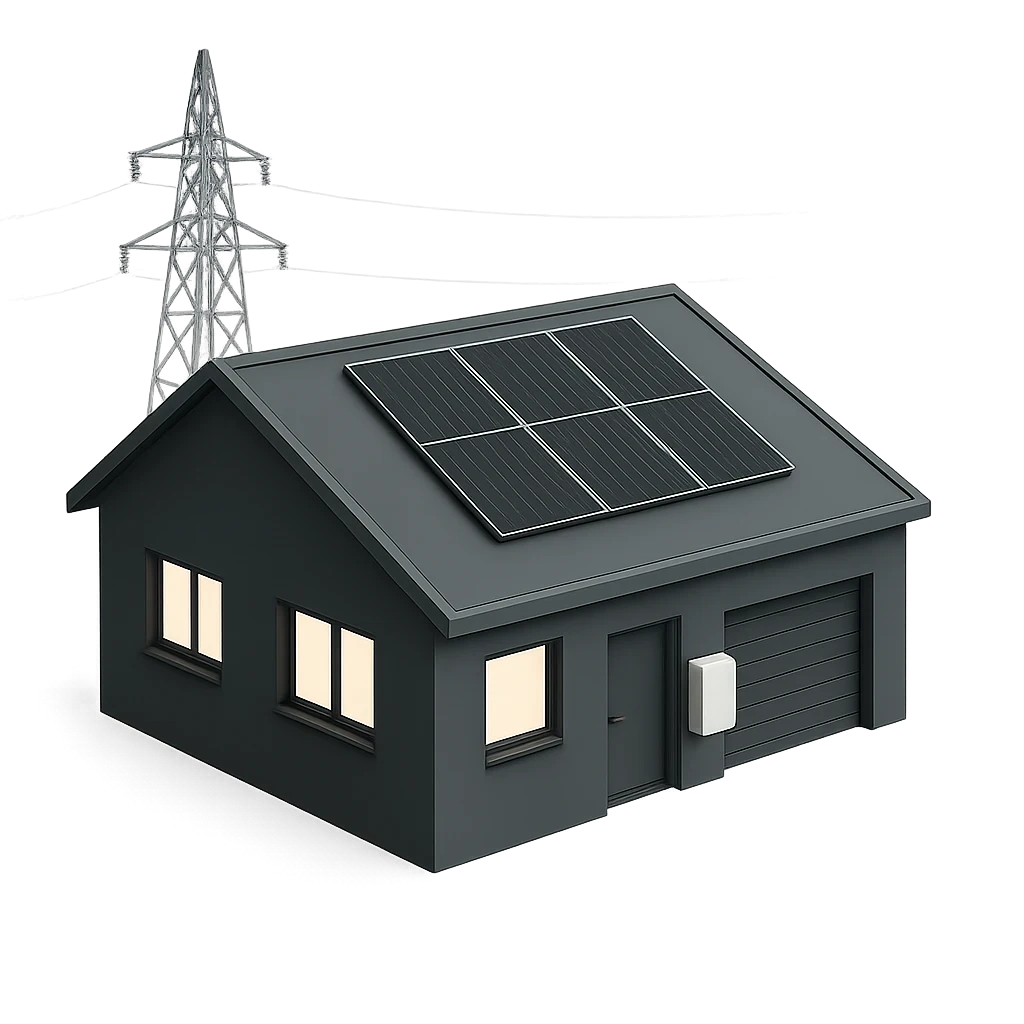
Enphase App
Track your energy use in real time, adjust system settings, get alerts, and manage power to appliances during outages—all from one app.
Enphase IQ Battery
Store excess solar energy to use anytime—at night, during peak rates, or when the grid goes down. Keep your home powered when it matters most.
Enphase IQ Microinverters
With smart microgrid-forming technology, the IQ8 Series Microinverter lets you switch between grid and off-grid power seamlessly.
Enphase IQ EV Charger
Charge your EV using solar power when connected to the Enphase System. Smart charging helps you save during high-rate hours automatically.
Our Reviews

On time ! Area very well cleaned after installation.






Thank you!!

After we signed, Josh handled all the hoops of the Burbank permitting process flawlessly and with great communication. The installation was perfect and his crew were punctual, clean, and polite. After installation, Josh again handled all the hoops of the inspection and Permission To Operate paperwork beautifully.
We are now up and running and really happy with the results. We cannot recommend Josh and the Next Door team highly enough.
Frequently Asked Questions
How much does solar cost in California?
The cost of solar depends on the size of the system, energy usage, and whether batteries are included. In California, most residential solar systems range from $15,000 to $35,000 before incentives. Homeowners can currently claim the 30% Federal Solar Tax Credit, which significantly reduces the overall cost of installation.
How much can solar save on electric bills?
Because California electricity rates are among the highest in the country, solar can significantly reduce utility costs. When systems are properly sized for a home’s energy usage, many homeowners are able to reduce their electric bill by 70–95%. Adding battery storage can further reduce reliance on the grid.
Do solar panels work when the power goes out?
Standard grid-tied solar systems automatically shut off during power outages for safety reasons. However, if your system includes battery backup, your home can continue running essential appliances using stored solar energy.
How long do solar panels last?
Most modern solar panels are built to last 25–30 years or longer. Manufacturers typically include 25-year production warranties, ensuring panels will continue producing the majority of their original power output over time.
Does solar increase home value?
Yes. Multiple studies have shown that homes with solar panels sell for 4–7% more on average than homes without solar. In areas with high electricity costs like California, buyers often see solar as a valuable feature because it provides long-term savings.
What happens if I sell my house with solar?
If your solar system is owned, it typically transfers to the new homeowner and can increase the property’s value. If the system is financed, the loan can usually be transferred or paid off during the home sale process.
Do solar panels require maintenance?
Solar systems require very little maintenance because they have no moving parts. Occasional cleaning may help maximize production, but most systems continue producing energy reliably with minimal upkeep.
Is my roof good for solar?
Solar works best on roofs that receive good sunlight throughout the day. South- and west-facing roofs typically produce the most energy, but systems can still perform well on many roof types and orientations. A professional site evaluation helps determine the best system design.
Are there incentives for installing solar?
Homeowners currently qualify for the 30% Federal Solar Investment Tax Credit, which allows you to deduct 30% of the system cost from federal taxes. Additional incentives may be available for battery storage depending on local programs.
Is solar still worth it in California?
Yes. With electricity rates continuing to rise from utilities like SCE and LADWP, many homeowners install solar to lock in long-term energy costs and reduce dependence on the grid. Solar paired with battery storage is becoming one of the most effective ways to manage future energy expenses.